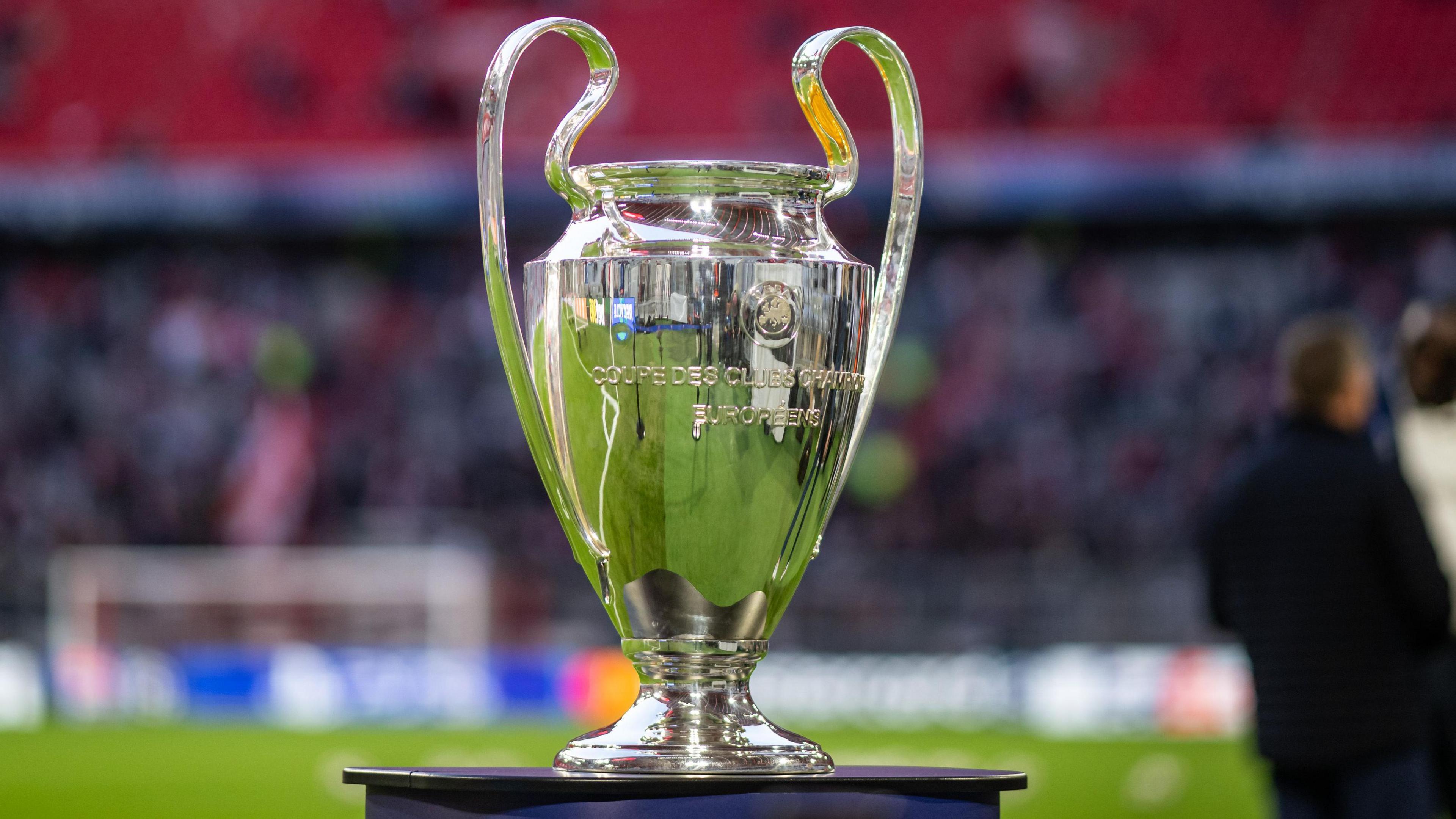
The Champions League was overhauled with the biggest format change in its history: the old 32-team group stage is gone, replaced by a single 36-team "league phase". If the new system still confuses you, here's exactly how it works.
36 teams, one league table
Instead of eight groups of four, all 36 clubs now sit in one combined league table. Rather than playing everyone, each team plays eight different opponents — four at home and four away. Clubs are seeded into four pots by UEFA coefficient, and each team faces two opponents from each pot.
How clubs qualify for the knockouts
After all eight league-phase games (played September to January), the table decides who goes through:
- 1st–8th: qualify directly for the round of 16.
- 9th–24th: enter a two-legged knockout playoff round for the remaining eight round-of-16 spots.
- 25th–36th: are eliminated — with no drop into the Europa League.
The knockout stage
From the round of 16 onwards, the competition returns to the familiar two-legged knockout ties, leading to a single-match final. The knockout rounds run from February to the final in late May/early June.
Why the change?
The league phase guarantees every club eight games against varied opposition (instead of six against the same three teams), creating more high-profile matchups. A team going all the way can now play up to 17 matches in a single campaign — more European football than ever before.
See the players lighting up the new format in our Champions League all-time top scorers, and catch the goals in our Champions League highlights.