
Richest Football Clubs in the World, Ranked
Real Madrid became the first club to pass 1 billion euros in revenue. See the full top 9 richest football clubs by revenue.

Ousmane Dembele won the 2025 Ballon d'Or, ending years of Messi and Ronaldo dominance. Here is how the award actually works.
Ousmane Dembélé won the 2025 Ballon d'Or, ending nearly two decades in which almost every winner had been named either Messi or Ronaldo. It's the most prestigious individual award in football, but how it's actually decided, and why it's caused so much debate over the years, is less widely understood than the trophy itself. Here's the full picture.
The Ballon d'Or ("golden ball" in French) is an annual award given to the player judged to have had the best individual season in world football, presented by the French magazine France Football since 1956. It's the closest thing the sport has to a single, universally recognized player-of-the-year title, covering the roughly 12 months from one European domestic season through the next, rather than a calendar year or a single tournament.
A panel of journalists decides the winner, one from each country ranked in FIFA's top 100, each voting entirely independently. Every voter submits a ranked top 10 from a shortlist of nominees, and points are awarded based on where each player lands on that list: 15 points for 1st, 12 for 2nd, 10 for 3rd, then 8, 7, 5, 4, 3, 2 and finally 1 point for 10th place. Every voter's points for every player are added together, and whoever has the highest total wins. It's a deliberately broad, globally distributed system, designed so no single country's media can dominate the outcome, though it also means the winner reflects a wide range of subjective judgment calls about what "best" actually means in a given season, individual brilliance, team success, or some blend of both. The shortlist itself is put together by France Football's own editorial team before voting opens, usually around 30 names, so the panel isn't picking from every professional footballer in the world, just the group the magazine judges to have had a realistic case that year.
The first Ballon d'Or was awarded in 1956 to England's Stanley Matthews, at a time when the award was open only to European players, decided purely by European journalists. Eligibility widened gradually over the following decades: first to any player of any nationality playing at a European club, and eventually, in 2007, to every player in the world regardless of which country or continent they played in. That expansion is a big part of why comparing eras is tricky. A player like Pelé, who spent his entire career in Brazil, was never eligible to win it at all, which is exactly the kind of context that gets lost when people rank the "greatest Ballon d'Or winners of all time" without accounting for who was actually allowed to compete for it in a given year.
No two players have ever dominated the award like Lionel Messi and Cristiano Ronaldo. Messi has won it a record eight times (2009, 2010, 2011, 2012, 2015, 2019, 2021 and 2023), and Ronaldo has won it five times, meaning the two of them combined hold 13 of the awards given out since 2008 alone. Between 2008 and 2017, one of the two men won every single year, a ten-year stretch with no real precedent in the award's history and one that fundamentally reshaped how fans and journalists talked about individual greatness in football for over a decade.
Ousmane Dembélé's win in September 2025 came off the back of 35 goals and 16 assists in 53 appearances for Paris Saint-Germain, the season in which PSG finally won their first Champions League. The Messi-Ronaldo duopoly had already started loosening before that: Luka Modrić broke through in 2018, Karim Benzema won in 2022, and Rodri took it in 2024, though Messi still added three more of his own (2019, 2021, 2023) in between those wins. What made 2024 and 2025 different is that they marked the first time since the duopoly began in 2008 that two consecutive years both went to a player other than Messi or Ronaldo, first Rodri, then Dembélé. The ceremony itself, the 69th edition, was held at the Théâtre du Châtelet in Paris on September 22, 2025, hosted by former Netherlands international Ruud Gullit and journalist Kate Scott.
Dembélé's route to the award makes the story even more striking. Barcelona signed him from Borussia Dortmund in 2017 for around €105 million, a fee that made him the world's second-most expensive player at the time, as a direct replacement for Neymar. What followed was six injury-hit years in Catalonia: recurring hamstring problems, surgery, and roughly 120 missed matches, close to two full seasons' worth of football lost to fitness issues, even as he still helped Barcelona win three La Liga titles along the way. He left for PSG, and his home country, in 2023, and by the 2024/25 season he'd scored 35 goals and provided 16 assists in 53 matches for the club, more than his combined output across his previous five seasons put together.
The main men's and women's Ballon d'Or trophies aren't the only awards handed out on the night. The Kopa Trophy goes to the best player in the world under 21, and Barcelona's Lamine Yamal won the men's edition in 2025, becoming the first player ever to win it twice. A women's Kopa Trophy was introduced for the first time in 2025, won by Barcelona's Vicky López. The Yashin Trophy goes to the best goalkeeper, with Gianluigi Donnarumma winning the men's award after a season that saw his PSG side win Ligue 1, the Coupe de France, the club's first-ever Champions League title, and the UEFA Super Cup, and Chelsea's Hannah Hampton taking the women's award. On the women's side, the main Ballon d'Or itself went to Aitana Bonmatí for a third consecutive year, matching the kind of sustained dominance Messi and Ronaldo built on the men's side.
Because the Ballon d'Or is decided by subjective journalist voting rather than a statistical formula, it's been a source of debate for as long as it's existed. Team success clearly influences voters, players on Champions League or World Cup-winning sides tend to do better than equally productive players on mid-table teams, which critics argue rewards a player's teammates and circumstances as much as their individual quality. There's also an inherent recency bias built into a one-year award: a player who peaks in the second half of the eligibility period, closer to the vote itself, often has an edge over someone who was just as good but front-loaded their best form earlier in the season. None of that has stopped the Ballon d'Or from remaining the award every top player in the world still visibly wants to win, but it's worth understanding the debate rather than treating the trophy as a purely objective measurement of who had the best season.
See how this season's Champions League race is shaping up in our Champions League new format explained guide, and check where the world's richest clubs stand in our richest football clubs in the world ranking.
For the official Ballon d'Or results and history, see France Football's official site.
Ousmane Dembélé of Paris Saint-Germain and France, ending a run in which the award had gone almost exclusively to Messi or Ronaldo since 2008.
By a panel of one journalist from each of the top 100 FIFA-ranked nations, who each rank their top 10 players. Points are awarded by ranking (15 for 1st down to 1 for 10th), and the highest total wins.
Lionel Messi, with eight, followed by Cristiano Ronaldo with five. Together they've won 13 of the awards given since 2008.
1956, to England's Stanley Matthews, back when the award was open only to European players.
A companion award for the best player in the world under 21, introduced in 2018. Lamine Yamal won the men's edition in 2025, becoming the first two-time winner.
The Ballon d'Or's award for the best goalkeeper of the season. Gianluigi Donnarumma won the men's edition in 2025 after winning the Champions League with PSG.
Aitana Bonmatí, who won it three years running through 2025.
Because it's decided by subjective journalist voting rather than statistics, critics argue it can overweight team success and recent form over a player's overall season.
Around €105 million in 2017, signed as a direct replacement for Neymar. Injuries limited him to missing roughly two full seasons' worth of matches across his six years at the club before he left for PSG in 2023.
Yes. Rodri's 2024 win followed by Dembélé's in 2025 marked the first consecutive non-Messi, non-Ronaldo winners since the pair's dominance began in 2008.
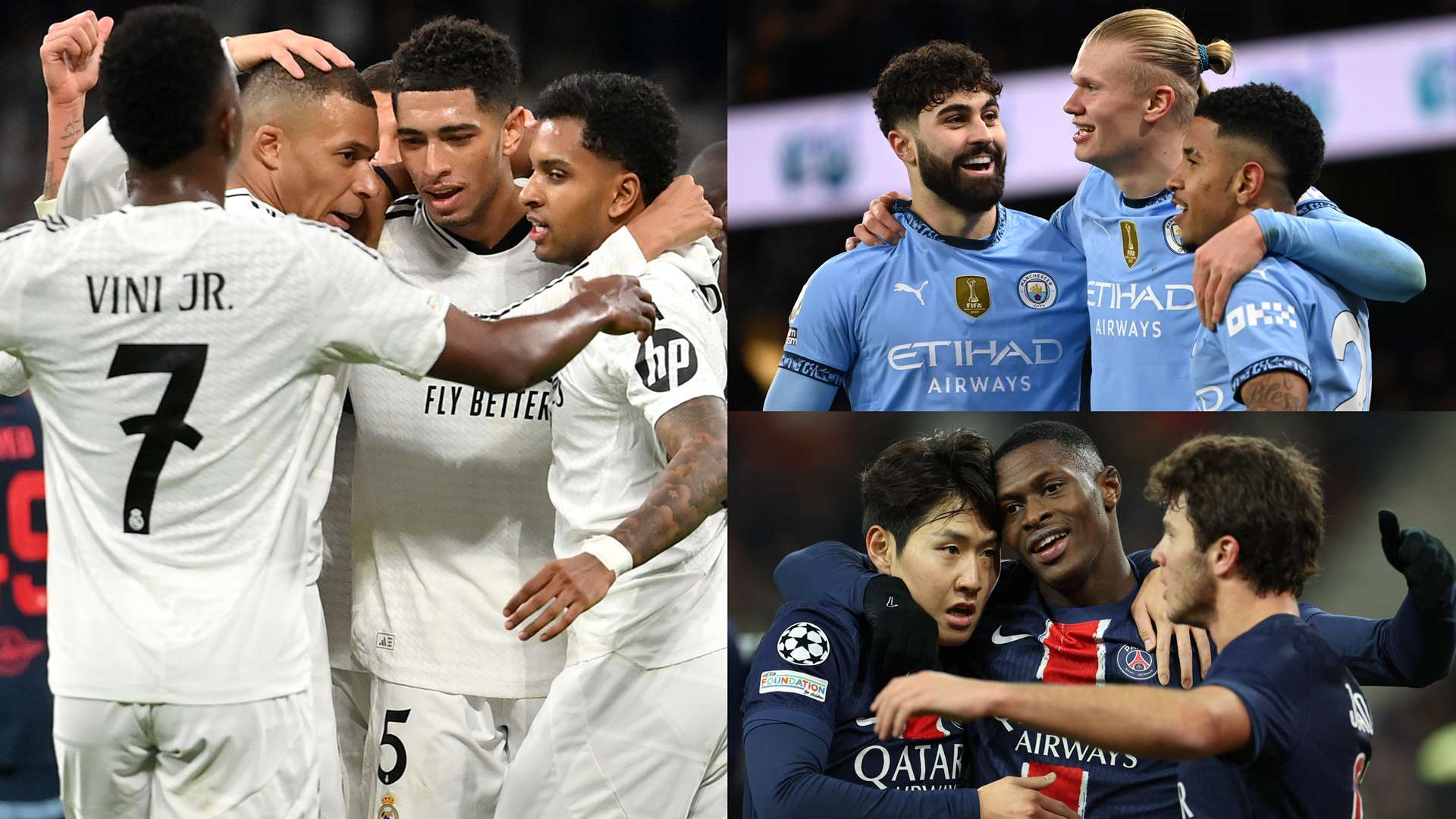
Real Madrid became the first club to pass 1 billion euros in revenue. See the full top 9 richest football clubs by revenue.
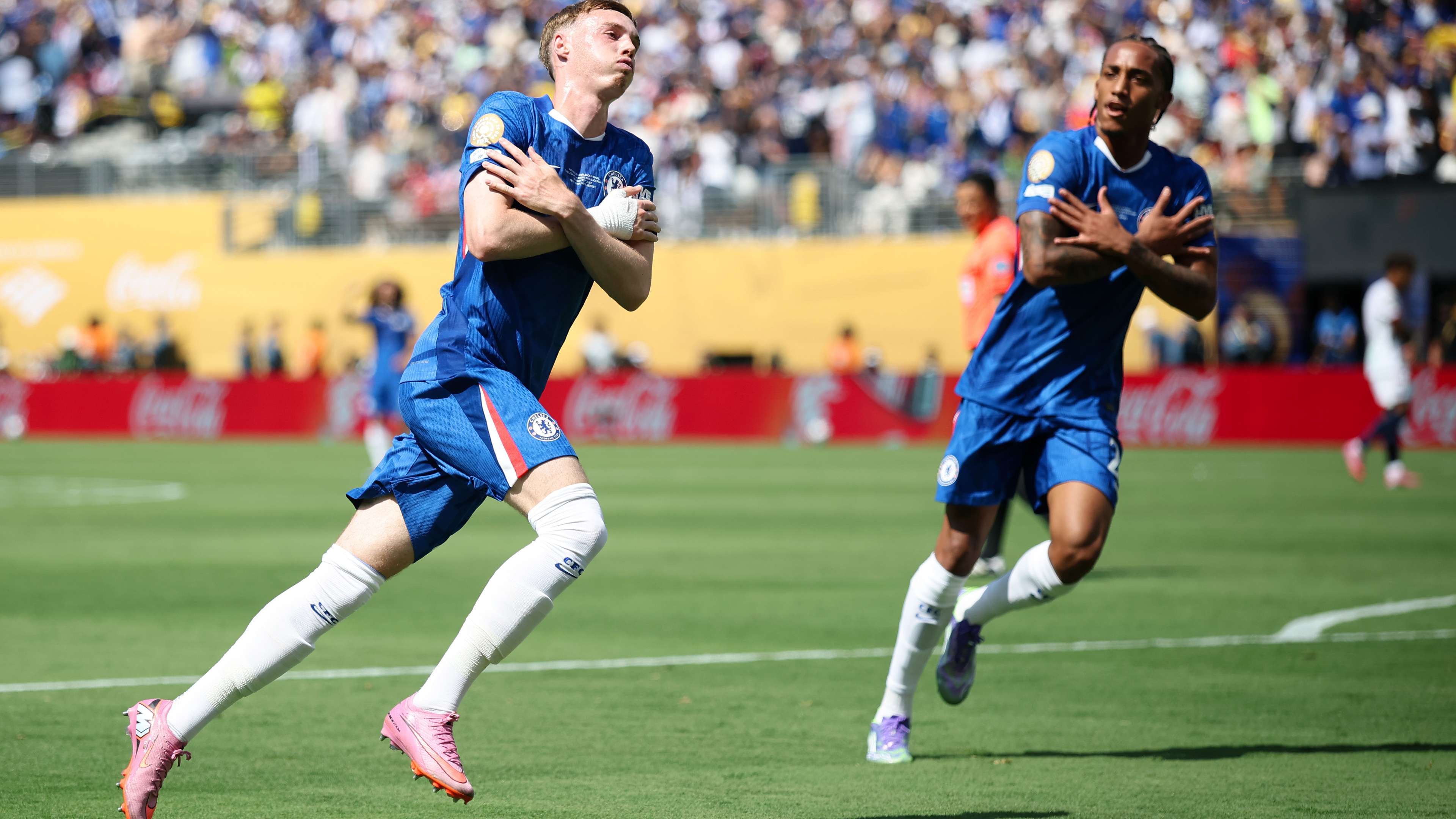
Chelsea beat PSG 3-0 to win the first 32-team FIFA Club World Cup in 2025. Here is how the new format works and when it returns.

Paying for ESPN+ or beIN just to catch the goals? Here's how to watch football highlights completely free, with no subscription required.

Tired of Score808's pop-ups, redirects, and dead links? Here's a cleaner, completely free way to catch every goal without the ad chaos.
Get the latest blog posts delivered to your inbox