
The Ballon d'Or Explained: History and Winners
Ousmane Dembele won the 2025 Ballon d'Or, ending years of Messi and Ronaldo dominance. Here is how the award actually works.
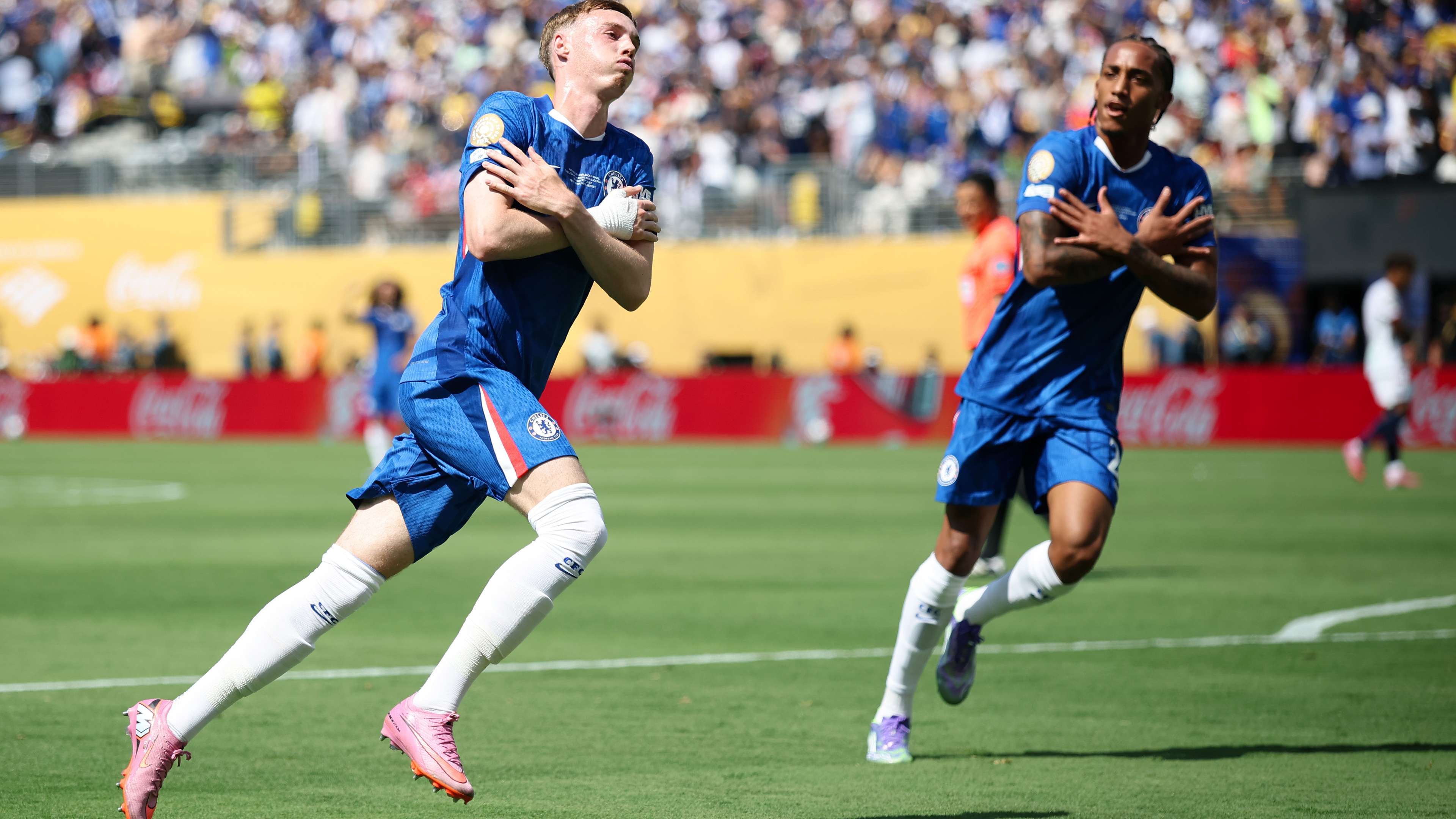
Chelsea beat PSG 3-0 to win the first 32-team FIFA Club World Cup in 2025. Here is how the new format works and when it returns.
Chelsea are the reigning FIFA Club World Cup champions, beating Paris Saint-Germain 3-0 in the final of the tournament's first expanded edition in July 2025. It was a complete overhaul of a competition that used to be a minor, week-long event squeezed into the end of the year. Here's how the new format works, how Chelsea won it, and when it comes around again.
From 2000 to 2023, the FIFA Club World Cup was a small, annual tournament with as few as seven teams: the champions of each of the six continental confederations (UEFA, CONMEBOL, CONCACAF, CAF, AFC and OFC), plus the host nation's domestic champion. It was played over about ten days each December, usually in a single host country, and while it settled genuine bragging rights between continents, it never carried anywhere near the prestige or prize money of a club's own domestic or continental competition. Most European clubs treated it as an afterthought squeezed into a season that was already packed with domestic and Champions League fixtures.
FIFA scrapped that version and replaced it with a 32-team tournament, held once every four years rather than annually, that borrows its structure directly from the World Cup itself. The 32 clubs are drawn into eight groups of four and play a single round-robin group stage, with the top two from each group advancing to a 16-team knockout bracket that runs straight through to the final. Qualification spots are allocated across all six confederations, weighted toward Europe and South America, which have historically dominated continental club competition, but with places guaranteed for AFC, CAF, CONCACAF and OFC clubs and the host nation as well.
The slots aren't divided evenly. UEFA gets 12 of the 32 places, reflecting Europe's status as the strongest confederation in club football, with CONMEBOL next on 6. CONCACAF, the AFC and CAF each get 4, the OFC gets a single guaranteed slot for the first time in the competition's history, and the host nation gets 1 more. For UEFA and CONMEBOL clubs, qualification is decided by results in the Champions League and Copa Libertadores respectively over the previous four seasons, rather than a one-off playoff, so getting in is really a reward for a club's whole four-year cycle rather than a single good season.
The first edition of the new format was played across the United States from June 14 to July 13, 2025, the same country that would go on to co-host the 2026 World Cup a year later. Chelsea went the whole way unbeaten through the knockout rounds and beat Paris Saint-Germain 3-0 in the final at MetLife Stadium in New Jersey on July 13. Cole Palmer scored twice inside the first half hour and set up the third for Joao Pedro, with all three goals coming before halftime in what turned into a one-sided final. Palmer was named the tournament's best player. It was a striking result given PSG had won the Champions League final just weeks earlier, beating Inter Milan 5-0, and arrived in the US as the form team in world football.
Part of what made the 2025 tournament feel different from the old, predictable version was how often the supposedly weaker confederations embarrassed the European favorites. PSG, fresh off winning the Champions League, lost 1-0 to Brazil's Botafogo in the group stage, a result so unlikely that pre-match modeling had given Botafogo less than a 7% chance of winning. The bigger shock came in the Round of 16, when Saudi Arabia's Al Hilal eliminated the reigning Champions League holders Manchester City 4-3 after extra time, coming back from an early Bernardo Silva goal to stun one of the best-resourced squads in the world. Results like that were exactly the kind of storyline FIFA had hoped the bigger format would produce: proof that clubs from outside Europe and South America's usual suspects could genuinely compete, not just make up the numbers.
FIFA attached a genuinely enormous prize pool to the relaunched tournament: roughly $1 billion split between prize money and participation fees across the 32 competing clubs, a figure with no real precedent for a club competition outside the UEFA Champions League. That single decision is a big part of why the new Club World Cup was taken far more seriously by participating clubs than the old version ever was, even with complaints from players' unions and some managers about an already packed calendar getting even more crowded.
FIFA had wanted a bigger, more commercially significant Club World Cup for years, arguing that the old seven-team version undersold the depth of talent in club football outside Europe and left the format looking more like a glorified exhibition than a genuine world championship. Folding it into a quadrennial, World Cup-style event also let FIFA build an entirely new global media and sponsorship package around it, separate from what UEFA already controls with the Champions League. The result is a competition that now sits somewhere between an exhibition and a genuine major trophy, still finding its place in a calendar dominated by domestic leagues and UEFA's own club competitions.
FIFA also runs a separate, much smaller annual event called the Intercontinental Cup, which pits the UEFA Champions League winner against a single opponent from another confederation in a one-off match each year between editions of the full Club World Cup. It's a direct descendant of the old Toyota Cup / Intercontinental Cup tradition that predates the original Club World Cup, and it exists specifically to fill the calendar gap in years when the 32-team tournament isn't being played.
Not everyone welcomed the bigger tournament. Player unions and several managers argued that squeezing a month-long, 32-team event into an already packed summer, on top of a full domestic season, a UEFA competition run and international duty, was asking too much of players' bodies. The concerns weren't just about fatigue either: several matches were played in extreme heat and humidity across US host cities in June and July, prompting complaints about kickoff times and player welfare that FIFA will need to address before the next edition. Those complaints didn't stop the tournament from being a clear commercial success, but they're likely to shape how the 2029 edition is scheduled and staffed.
Because the new format runs on a four-year cycle in step with the World Cup itself, the next full 32-team Club World Cup isn't due until 2029, with the host nation still to be confirmed by FIFA. Chelsea enter that long gap as the reigning champions, a status they'll defend without another crack at the trophy for several years, similar to how a national team sits as reigning World Cup champion for four years between tournaments.
See how UEFA's own club competitions are structured in our Champions League new format explained guide and our Europa League format explained guide, and catch up on the international game in our 2026 World Cup results recap and World Cup all-time top scorers guide.
For FIFA's official tournament records, see FIFA.com.
Chelsea, beating Paris Saint-Germain 3-0 in the final at MetLife Stadium, New Jersey, on July 13, 2025.
32, up from as few as seven under the old annual format, split into eight groups of four for a round-robin group stage.
Every four years, matching the World Cup's own cycle. The next edition is due in 2029.
Roughly $1 billion in total prize money and participation fees was distributed across the 32 clubs at the 2025 tournament.
No. The Intercontinental Cup is a separate, smaller annual match between the UEFA Champions League winner and a club from another confederation, played in years when the full 32-team Club World Cup isn't held.
Across the United States, from June 14 to July 13, 2025, at stadiums that would go on to host the 2026 World Cup the following year.
Chelsea's Cole Palmer, who scored twice and set up a third goal in the final alone.
UEFA gets 12 of the 32 spots, CONMEBOL gets 6, CONCACAF, the AFC and CAF each get 4, and the OFC and the host nation each get 1.
Saudi Arabia's Al Hilal eliminating reigning Champions League holders Manchester City 4-3 after extra time in the Round of 16, having been given less than a 10% chance of winning beforehand.

Ousmane Dembele won the 2025 Ballon d'Or, ending years of Messi and Ronaldo dominance. Here is how the award actually works.
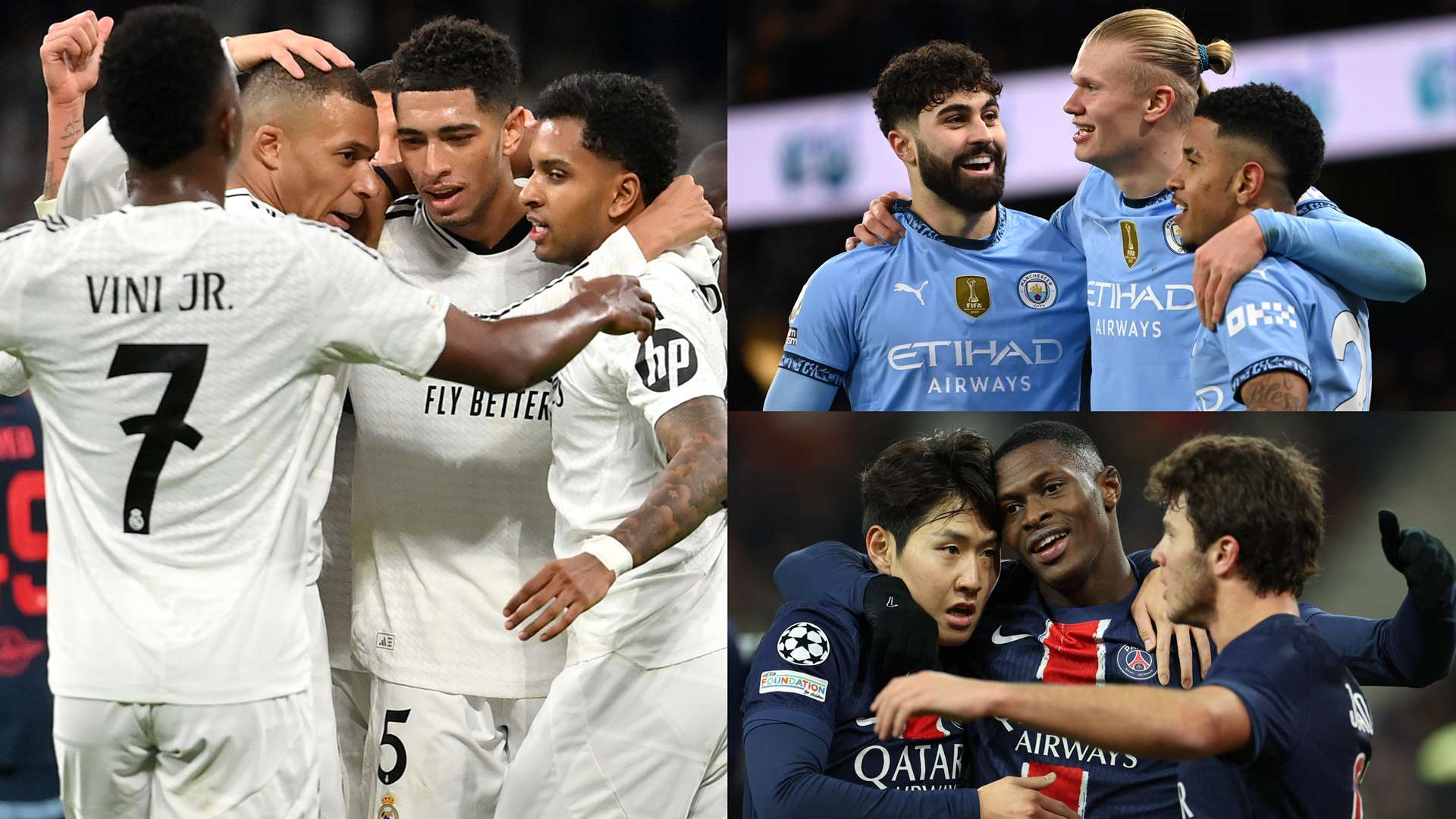
Real Madrid became the first club to pass 1 billion euros in revenue. See the full top 9 richest football clubs by revenue.

Paying for ESPN+ or beIN just to catch the goals? Here's how to watch football highlights completely free, with no subscription required.

Tired of Score808's pop-ups, redirects, and dead links? Here's a cleaner, completely free way to catch every goal without the ad chaos.
Get the latest blog posts delivered to your inbox
Hi! I'm your match assistant.
Ask me about any football match — like "Who won France vs England?" — and I'll give you a quick recap plus a link to the highlights.